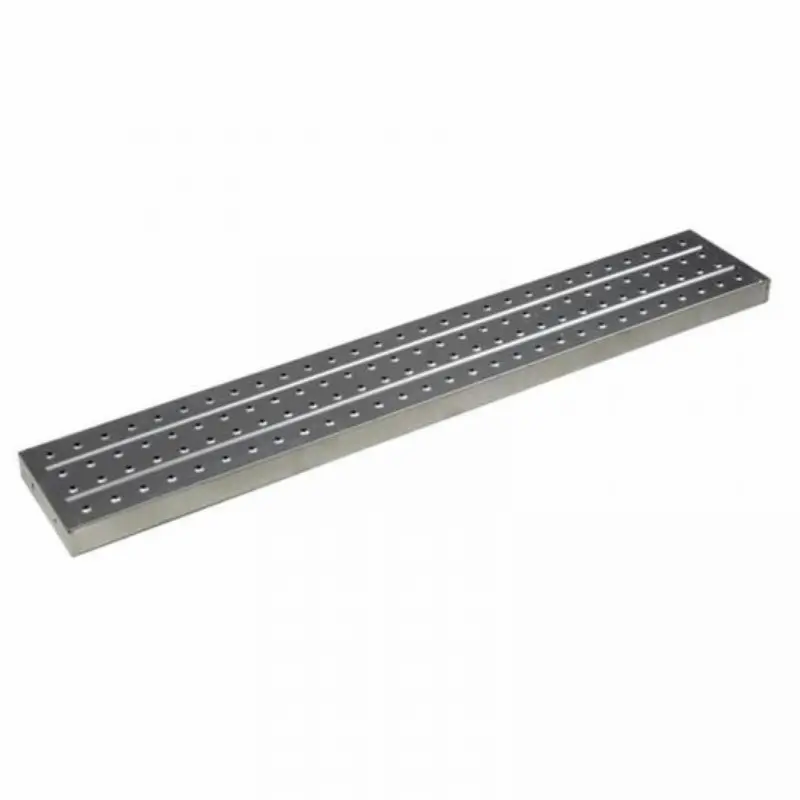
In the modern construction landscape, the optimization of Scaffold Plank Weight has become a pivotal factor for site efficiency and safety. As leading manufacturers, we understand that "weight" is not just a physical attribute but a logistical variable. Global contractors are increasingly demanding steel planks that offer the highest load-bearing capacity (Class 4 to Class 6) while maintaining a manageable weight for manual handling.
Historically, timber planks dominated the market, but their unpredictable weight changes due to moisture absorption and rapid degradation have paved the way for advanced steel and aluminum alternatives. Today, the Scaffold Plank Weight of a standard 3-meter steel board typically ranges from 12kg to 18kg depending on the steel grade and thickness (1.2mm to 1.8mm). This weight range is engineered to ensure compliance with EN 12811-1 standards while facilitating rapid assembly in high-rise environments.
Customer-centric strategy to improve product and service quality across 30+ countries.
A sustainable business strategy addressing ESG needs through material efficiency.
Comprehensive QMS with ISO certification to continuously improve satisfaction.
Independent institute for high-tensile material research and fatigue testing.
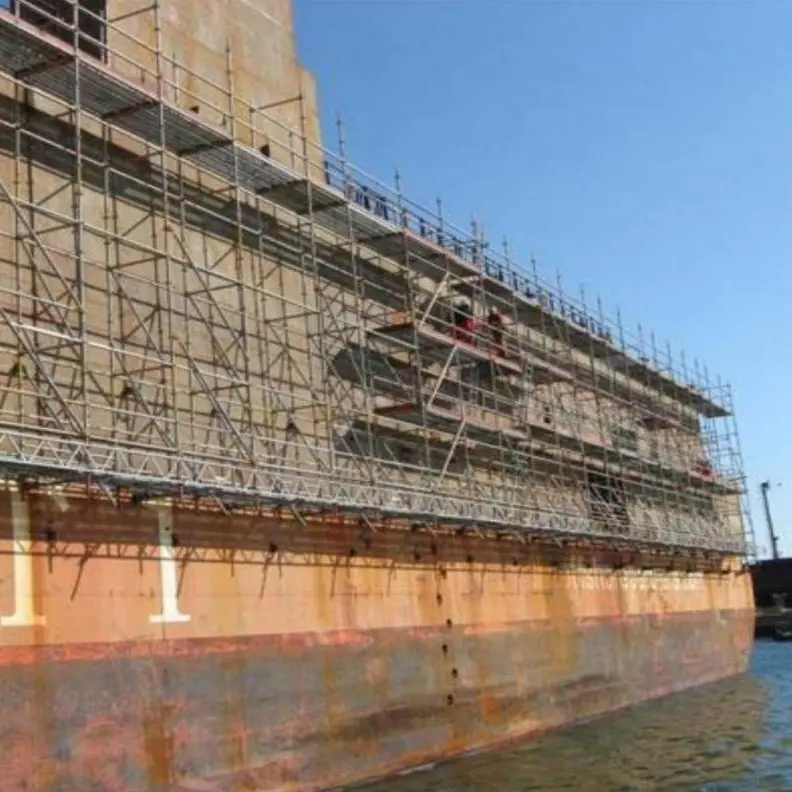
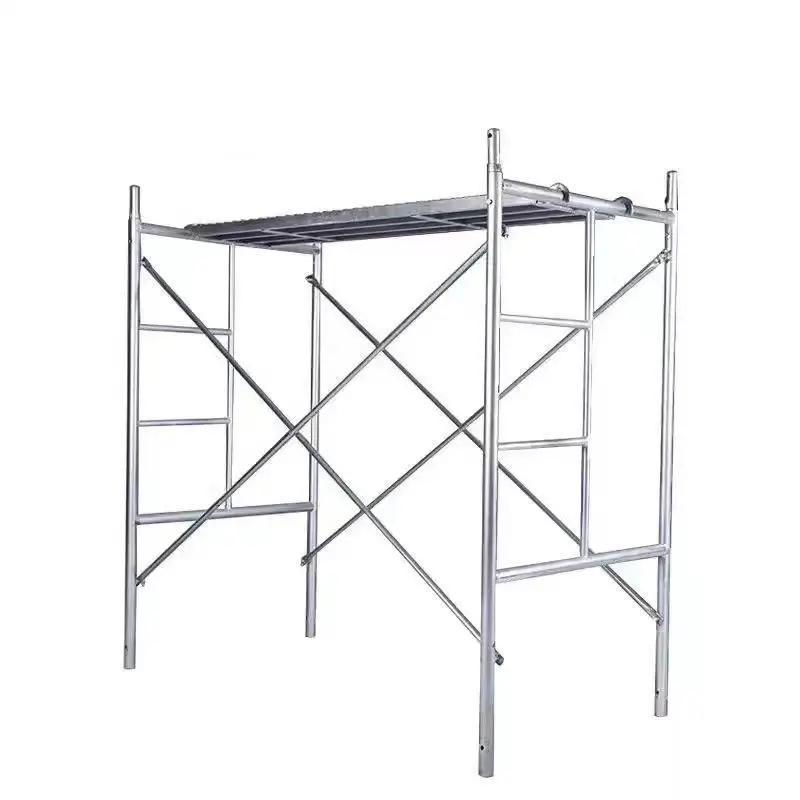
Our scaffolding systems are engineered for diverse environments. In the Middle East, our HDG steel planks resist extreme heat and sand abrasion. In Southeast Asia, the lightweight nature of our ringlock systems allows for rapid assembly during monsoon-affected construction windows. For North American high-rise projects, the standardized Scaffold Plank Weight ensures seamless integration with existing sidewalk bridge poles and H-frame systems.
We have successfully supplied scaffolding for complex projects including Nuclear Power Plants, Chemical Refineries (Shell, ExxonMobil), and major railway infrastructures across mainland China and beyond.
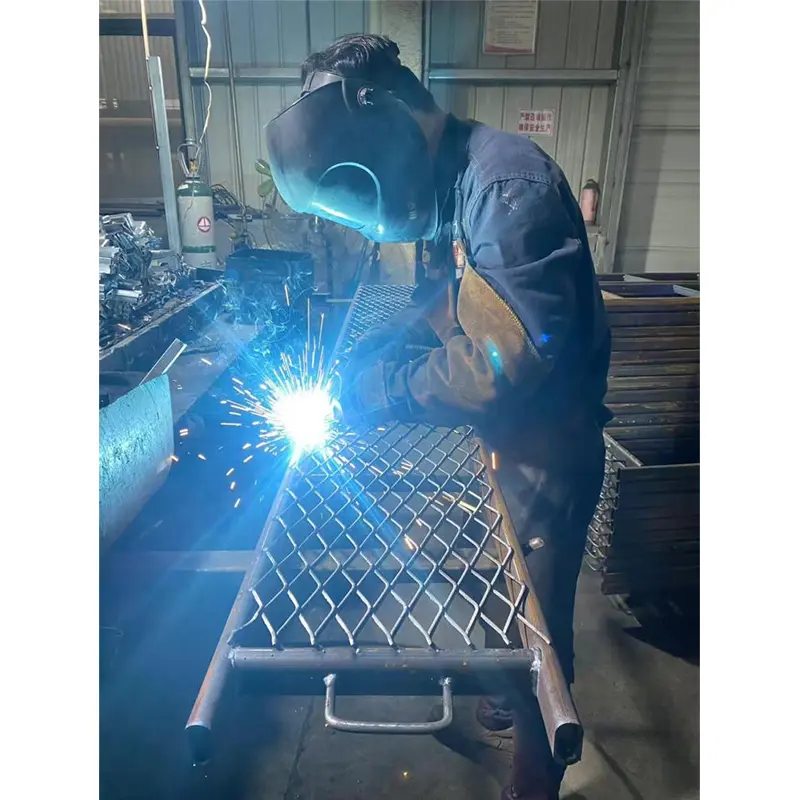
Tianchang AJ Metal Products Technology Co., Ltd. (established in 2013) offers the unique advantage of "Industrial Expertise Meeting Global Scale." Unlike pure trading companies, we control the entire lifecycle of our scaffolding products.
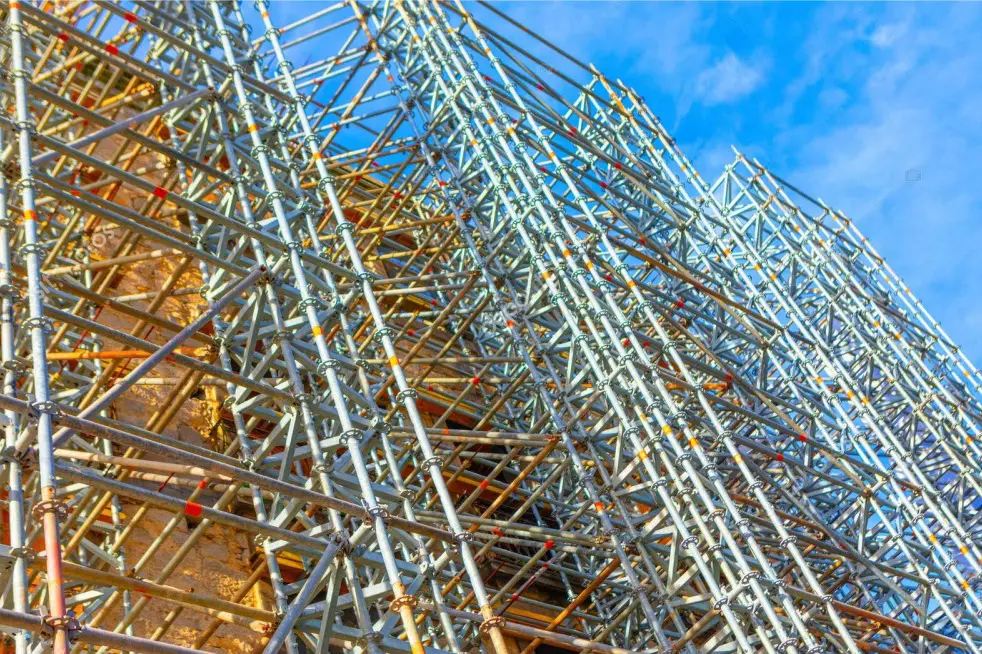
Optimized scaffolding frameworks for skyscrapers and residential towers.
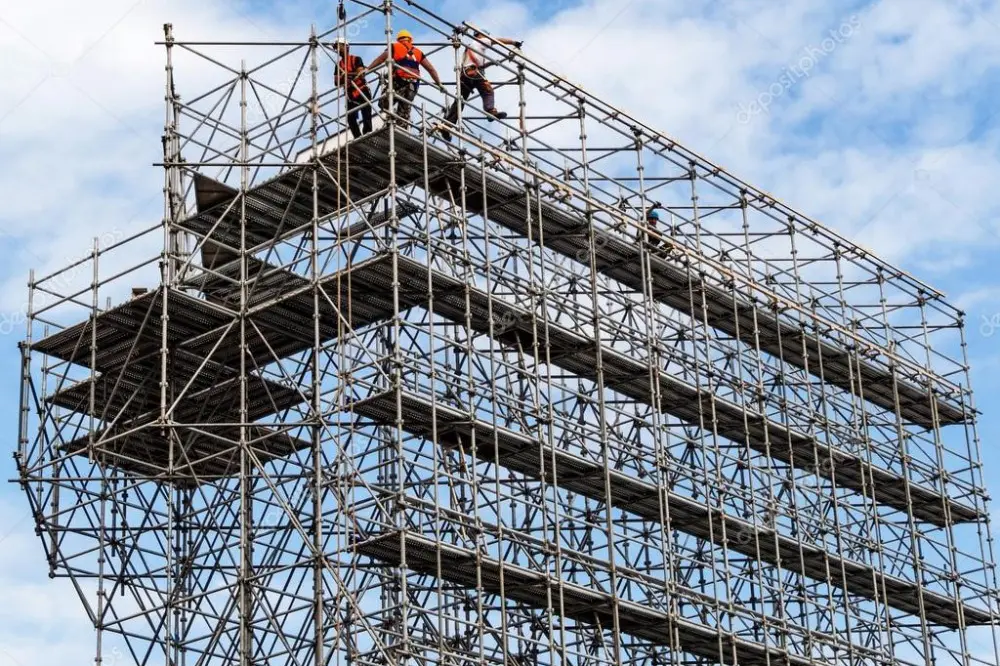
Heavy-duty solutions for refineries, power plants, and oil rigs.

Temporary walkways and support systems for large-scale engineering.
Modular systems with high load capacity and EN12810 certification.
Analyzing factors like steel prices and global logistics impact.
Exploring growth opportunities in the Australian and UK markets.
 AJ Metal