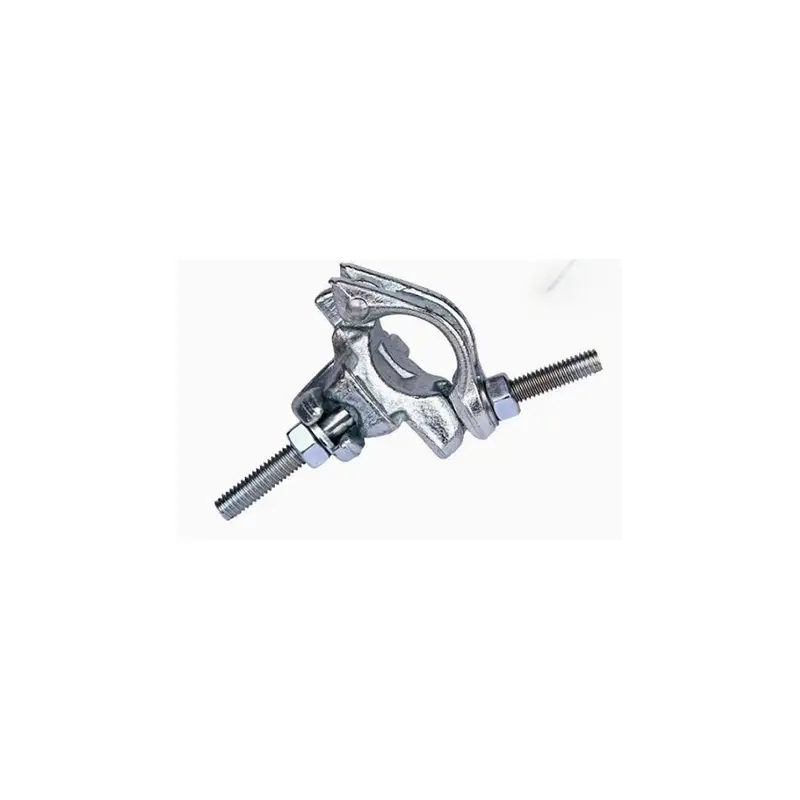
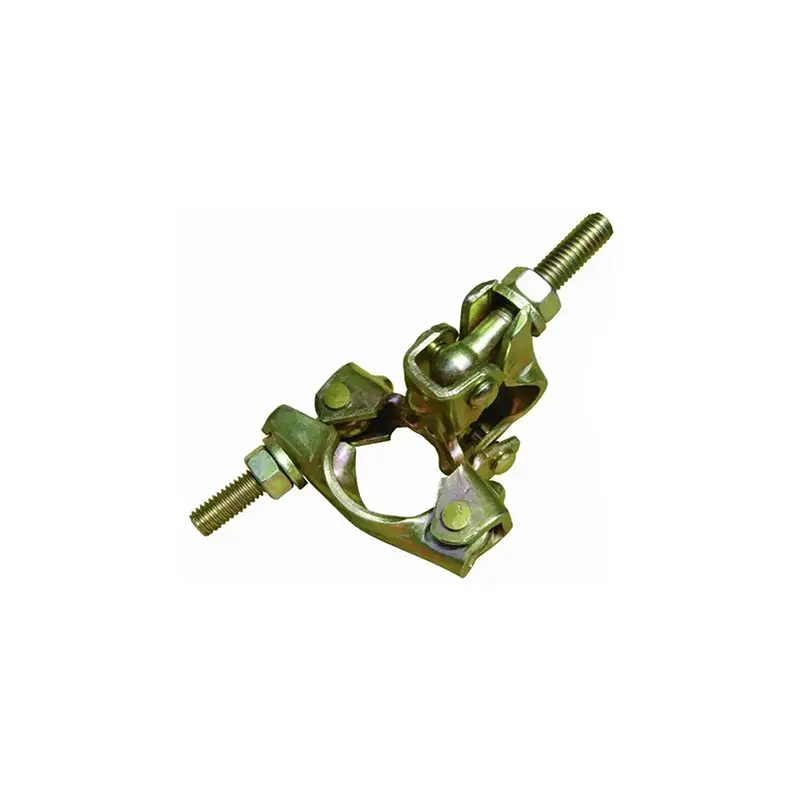
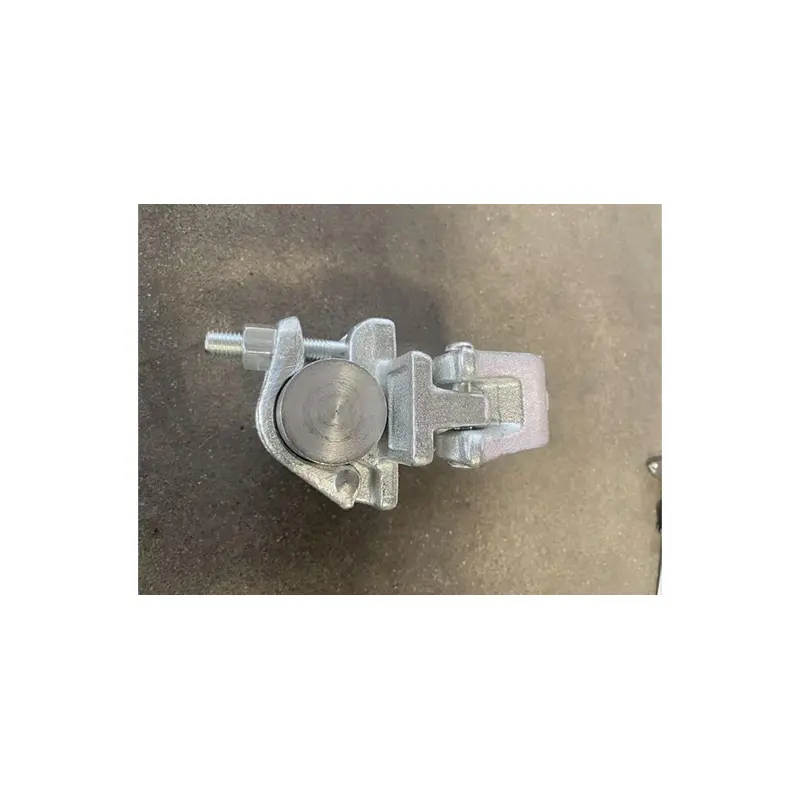
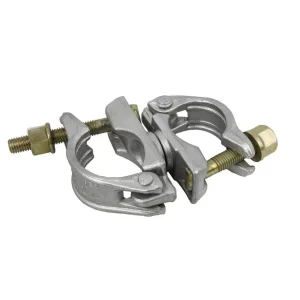
Double Coupler for Scaffolding Systems
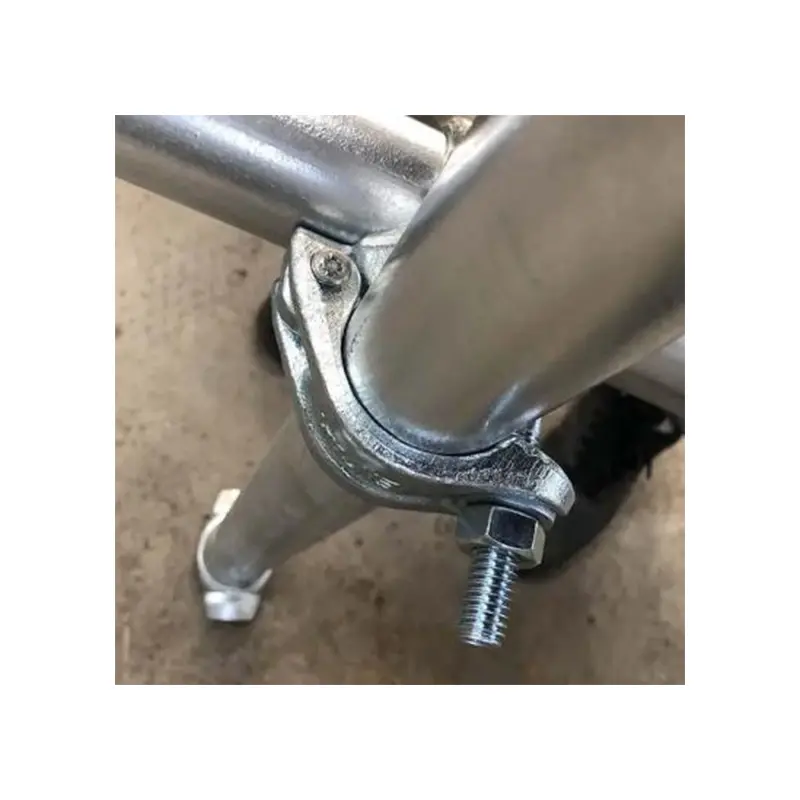
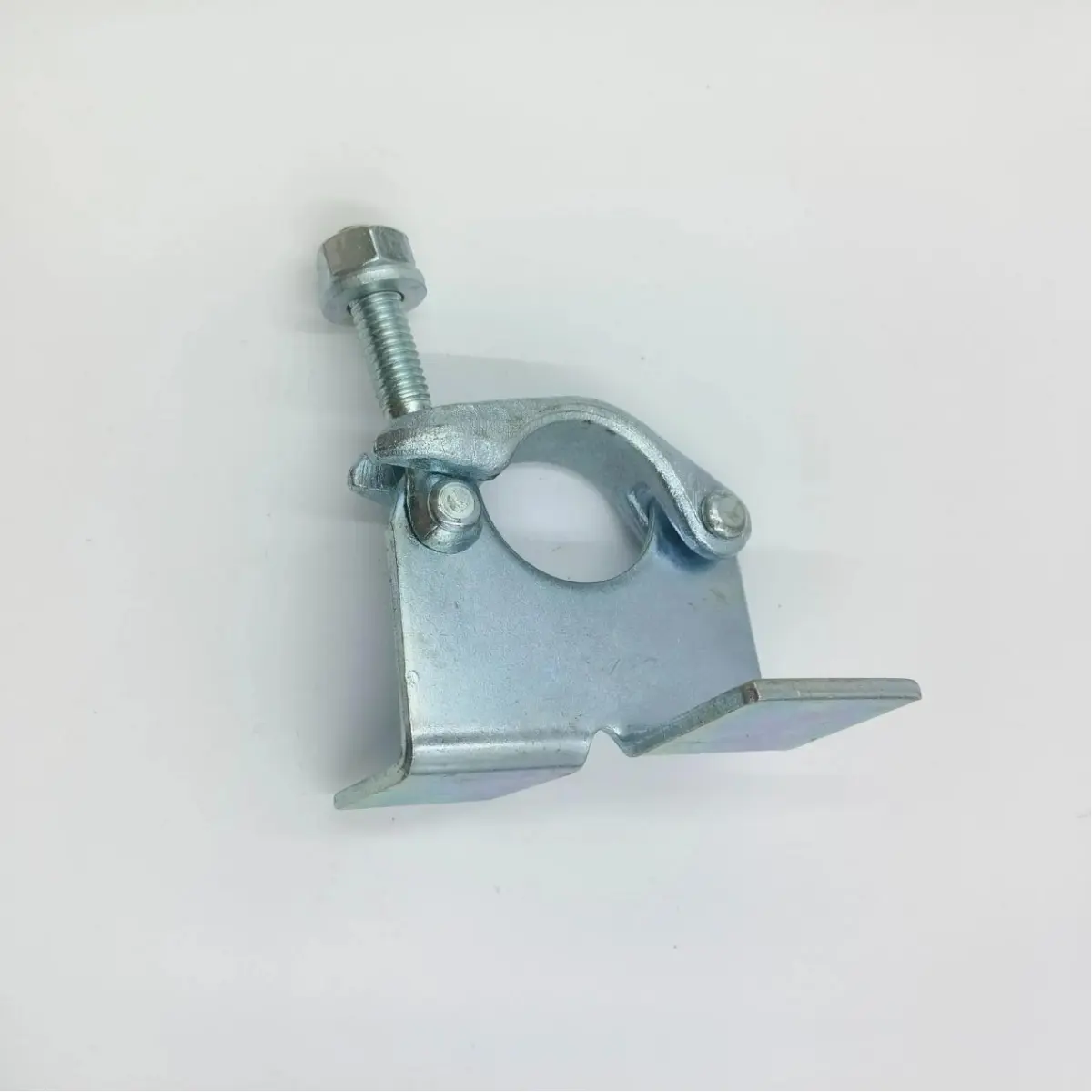
The Double Coupler is one of the most commonly used fittings in tube and coupler scaffolding systems. It is designed to connect two scaffolding tubes at a 90-degree angle, creating a strong and secure joint within the scaffolding structure.
➔
Critical component for structural stability in construction scaffolding.
➔
Connects horizontal tubes (ledgers) to vertical tubes (standards) firmly.
➔
Ensures safety for workers operating at significant heights.
High-quality forged and pressed couplers meet international construction standards. These products are widely used in construction projects, infrastructure development, industrial maintenance, and scaffolding rental systems worldwide.
Frequently Asked Questions
Q1: What is the primary function of a Double Coupler?
The primary function of a Double Coupler is to join two scaffold tubes together at a precise 90-degree angle, providing the essential structural rigidity needed for scaffolds.
Q2: What is the difference between Forged and Pressed Double Couplers?
Forged couplers are made by heating metal and hammering it into shape, offering higher strength and durability, while pressed couplers are formed from steel sheets and are typically more cost-effective for lighter applications.
Q3: Do these couplers meet international safety standards?
Yes, high-quality double couplers are manufactured to comply with international standards such as BS1139 and EN74, ensuring they meet rigorous safety and load-bearing requirements.
Q4: At what angle does a double coupler connect scaffolding tubes?
A double coupler is specifically designed to connect tubes at a fixed 90-degree angle. For other angles, a swivel coupler would be used instead.
Q5: Can double couplers be reused across different projects?
Yes, double couplers are highly durable and designed for multiple reuses, provided they are inspected for wear, damage, or corrosion between projects.
Q6: In which industries are double couplers most commonly used?
They are widely utilized in commercial construction, infrastructure development (like bridges and power plants), industrial maintenance, and scaffolding rental services.
 AJ Metal