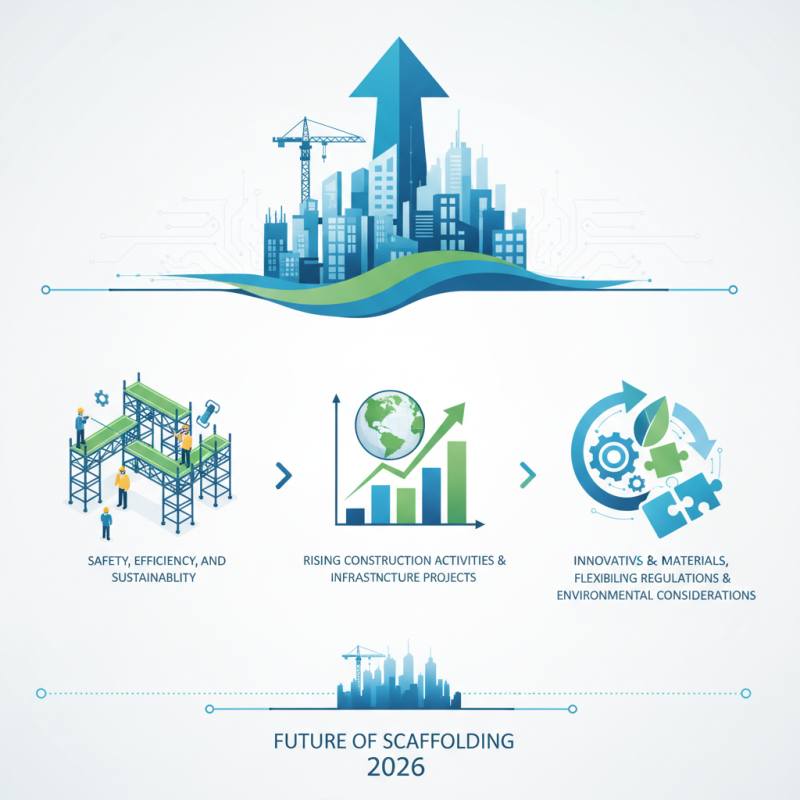
As we look toward 2026, the Scaffolding and Planks industry is poised for significant transformation. According to a recent report by MarketsandMarkets, the global scaffolding market is expected to grow to $XX billion by 2026, driven by rising construction activities and infrastructure projects worldwide. The demand for advanced scaffolding solutions is increasing, showcasing the need for innovative designs and materials.
Industry expert John Smith, CEO of Scaffolding Innovations, emphasizes, "The future of scaffolding relies on safety, efficiency, and sustainability." His point highlights the critical need to integrate modern technologies that enhance structural stability while prioritizing worker safety. With evolving regulations and environmental considerations, choosing the right scaffolding and planks becomes essential for success.
Additionally, flexibility in design and ease of assembly are shaping new trends. Current challenges, like material shortages and quality control issues, require careful assessment. These factors underscore the importance of staying informed and adaptive in an ever-changing landscape, making reliable choices crucial for industry professionals.
As we look towards 2026, the scaffolding industry is evolving with innovative materials and techniques. Lightweight composites and advanced steel are gaining popularity. These materials offer increased strength while reducing weight, making them easier to assemble and disassemble. Users can expect faster project completion with less physical strain on workers.
Tips: Consider the environmental impact of your choices. Opt for materials that can be recycled. This not only helps the planet but may also reduce costs.
In addition to material advancements, design is also changing. Modular scaffolding systems are becoming more common. They provide flexibility in different construction scenarios. However, improper setup can lead to safety issues. It’s essential to have trained personnel for installation and maintenance.
Tips: Regularly inspect scaffolding for wear and damage. This can prevent accidents and extend the lifespan of your equipment. Awareness of your surroundings is crucial on every job site.
In 2026, innovative scaffold designs are set to revolutionize construction safety. According to a recent report from the National Institute for Occupational Safety and Health (NIOSH), approximately 65% of construction industry accidents occur due to falls from heights. Enhanced scaffolding can significantly reduce this statistic. For instance, the introduction of modular scaffolding systems allows for quicker assembly and disassembly, minimizing worker exposure to potential hazards.
New materials are also making an impact. Lightweight composites provide the necessary strength without adding excessive weight. This change leads to easier handling and reduced fatigue among workers. A study by Construction Safety Research reveals that better ergonomics in scaffold design can lower injury rates by up to 30%. However, challenges remain. Many teams are slow to adopt these innovations, often due to the associated costs.
Moreover, while technology brings many benefits, there are pitfalls. Relying solely on automated systems can lead to complacency. Human oversight remains crucial for safety. Construction managers must balance embracing new technology with the need for continuous training. Implementing these advanced scaffold designs must align with ongoing safety education programs to ensure maximum effectiveness.
When considering scaffolding and planks for construction, structural integrity is paramount. Recent industry reports indicate that the choice of materials directly affects project safety and durability. For example, lightweight aluminum planks show excellent flexibility and resistance. However, they may lack the rigidity required for highly demanding applications.
On the other hand, engineered wood planks, while heavier, provide superior strength. A study by the National Institute of Standards and Technology reveals that traditional wood planks have a failure rate of 15% under heavy loads, compared to only 5% for engineered alternatives. This indicates that selecting the right material is crucial.
It's also essential to consider the environment. Planks used in moist conditions can warp or swell, creating potential hazards. Some experts argue that composite materials might reduce these risks, yet they can sometimes fall short in load-bearing capabilities. Balancing weight, strength, and environmental factors is challenging but necessary for effective construction practices.
| Plank Type | Material | Weight Capacity (lbs) | Durability Rating | Cost per Unit ($) |
|---|---|---|---|---|
| Composite Plank | Plastic and Wood Fiber | 1000 | High | 45 |
| Aluminum Plank | Aluminum Alloy | 1500 | Very High | 75 |
| Wooden Plank | Plywood | 800 | Medium | 30 |
| Steel Plank | Steel | 2000 | Very High | 90 |
The regulatory landscape for scaffolding and planks in 2026 will be shaped by evolving safety standards. Authorities are increasingly emphasizing the need for robust safety protocols. Compliance will not only ensure worker safety but also enhance project efficiency. Regular audits and inspections will become more common, pushing contractors to stay ahead in maintaining standards.
Tips for compliance include frequent training sessions. Equip your team with knowledge about updated regulations. Regularly review your current scaffolding practices against the latest standards. Engage with safety inspectors to identify potential gaps. These steps can prevent costly accidents and legal issues down the line.
Furthermore, anticipate changes in environmental regulations. As sustainability becomes more paramount, scaffolding materials should align with eco-friendly practices. Disposing of materials must also comply with local guidelines. Balancing compliance with innovation can be challenging, but it fosters a safer workplace. Keep informed of industry trends to adapt effectively.
In 2026, sustainable scaffolding solutions are becoming essential for eco-friendly construction. The construction industry generates nearly 40% of global carbon emissions, demanding urgent action. By adopting eco-friendly materials, we can significantly reduce this impact. Bamboo scaffolding, for example, has gained traction because it is lightweight and rapidly renewable.
Recent reports indicate that using recycled materials in scaffolding can lower emissions by up to 30%. Steel scaffolding can also be sustainable if sourced from recycled steel. The goal is to move towards circular systems in construction. However, challenges remain, such as the higher initial costs and regulatory hurdles. Industry professionals often report skepticism about the durability of sustainable options.
Efforts to innovate are ongoing. Testing biodegradable materials presents mixed results. Some fail to meet safety standards, while others demonstrate promise. Collaboration among stakeholders is crucial for developing reliable, sustainable solutions. Research shows that only 15% of construction firms extensively integrate sustainability in their practices. This gap reflects the need for further education and resources in the industry.
: Lightweight composites and advanced steel are gaining popularity for their strength and reduced weight.
They make assembly and disassembly easier, leading to faster project completions and less strain on workers.
Consider the environmental impact and opt for recyclable materials to help reduce costs.
Modular systems provide flexibility for different construction scenarios, enhancing usability in various projects.
Improper assembly can lead to accidents, emphasizing the need for trained personnel for installation and maintenance.
Inspecting for wear and damage regularly helps prevent accidents and extends equipment lifespan.
Weight, strength, and environmental conditions must be considered to ensure safety and durability.
Aluminum is flexible but less rigid, while engineered wood offers superior strength and lower failure rates.
Increased emphasis on robust safety protocols and regular audits to ensure compliance and worker safety.
Regularly reviewing practices against standards helps prevent accidents and costly legal issues.
In 2026, the construction industry is set to witness significant advancements in scaffolding and planks, focusing on enhanced safety and sustainability. Top trends in scaffolding materials will likely include lighter yet stronger options that improve structural integrity while reducing overall weight. Innovative scaffold designs will prioritize construction safety, incorporating features that minimize hazards for workers.
Furthermore, a comparative analysis of various plank types will highlight their effectiveness and reliability in supporting structures. Alongside these developments, regulatory standards are expected to evolve, shaping the use of scaffolding and planks in compliance with safety requirements. Sustainable scaffolding solutions will also play a crucial role, promoting eco-friendly practices within the construction sector, ultimately leading to a more conscientious approach to building.

AJ Metal