Top 10 Scaffold Fittings You Need for Construction Projects?

Time:2026-05-28 Author:Henry
0%

In the realm of construction, safety and efficiency are paramount. Scaffold fittings play a crucial role in achieving these goals. They serve as the backbone of any scaffolding system, ensuring stability and support for workers and materials alike. Choosing the right scaffold fittings can significantly impact the success of a project.

The variety of scaffold fittings on the market is vast, with each type serving a specific function. Some may wonder if cheaper options could suffice, yet quality should never be sacrificed. Inferior fittings may not withstand the unique stresses of your project, leading to potential safety hazards. Understanding the necessary fittings for your construction site is essential for ensuring not just compliance, but also worker safety.

As projects become more demanding, workers must rely on the strength of their scaffolding. This reliance highlights the need for diligent selection and maintenance of scaffold fittings. Investing in reliable equipment can lead to fewer accidents and greater overall productivity on the job. It's a choice that will reflect on both the safety and success of any construction endeavor.
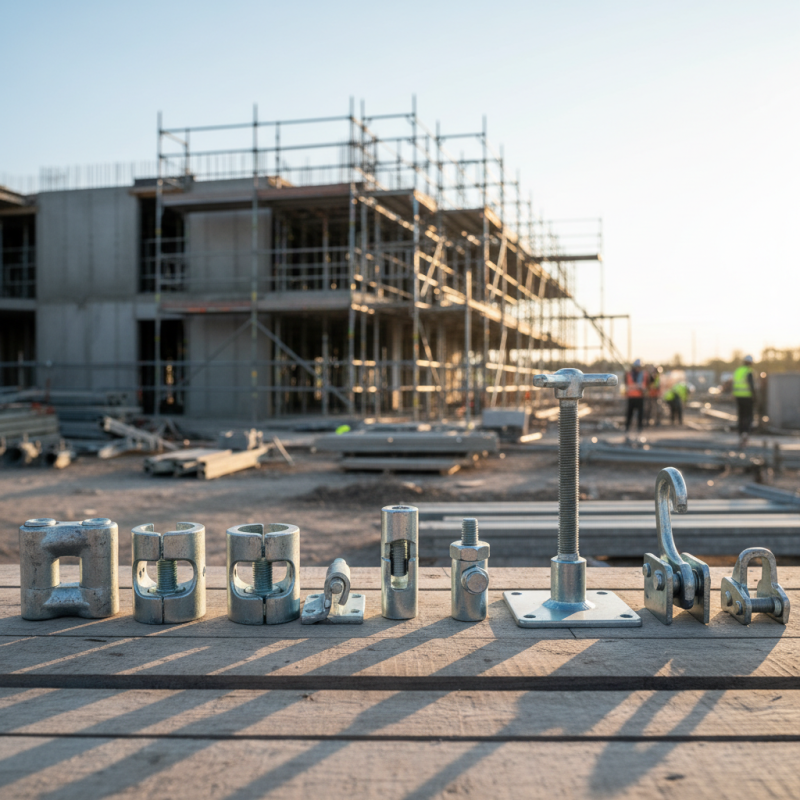
Top 10 Scaffold Fittings You Need for Construction Projects?

Essential Scaffold Fittings for Safe Construction Practices

Scaffold fittings play a vital role in ensuring safety during construction projects. These components provide support and stability to scaffolding systems. A robust set of scaffold fittings helps prevent accidents, which can lead to injuries or costly delays. Reliable fittings also ensure that workers can execute their tasks efficiently, without worrying about the integrity of their platform.

Key fittings include couplers, clamps, and braces. Couplers secure the poles together, making the structure stable. Clamps connect different types of scaffolding, allowing flexibility in design. Braces add lateral support, reducing the risk of swaying. Each fitting must be examined regularly for wear and tear. Ignoring these checks can lead to significant dangers on-site.

While selecting fittings, quality should not be compromised for cost. Using subpar materials may save money upfront, but it can create long-term problems. Workers deserve a safe environment. It is crucial to invest in quality fittings and ensure that everyone is trained on their proper use. A culture of safety starts from equipment choice.

Types of Scaffold Fittings and Their Specific Uses

Scaffold fittings play a vital role in ensuring safety and stability in construction projects. Different types of fittings serve specific purposes, making them essential tools on job sites. For instance, couplers are widely used to connect various scaffold tubes. They come in two main forms: right-angle couplers and swivel couplers. Right-angle couplers secure scaffolding at a 90-degree angle, while swivel couplers allow for angular adjustments. Both types help create a sturdy framework, adjusting to various project requirements effectively.

Another critical fitting is the base plate. These plates provide a solid foundation for the scaffolding structure, distributing weight evenly. Properly installed base plates can prevent instability on uneven ground. Moreover, to protect workers, safety pins and locking mechanisms are crucial. They ensure that all components remain securely in place during operation.

However, not all fittings are made equally. It's important to inspect them regularly for wear and tear. This proactive approach can prevent accidents and ensure the safety of the entire team.

Key Features to Consider When Selecting Scaffold Fittings

When selecting scaffold fittings for construction projects, it’s vital to focus on key features. Safety should be your top priority. Look for fittings made from high-quality materials. Steel and aluminum are strong choices. They offer durability and resistance to wear.

Another consideration is ease of assembly. Some fittings may look good but are cumbersome to install. Choose those that allow quick setup without sacrificing safety. This can save time and labor costs. Be aware of the weight capacity as well. Some fittings might not hold as much as listed. Testing is crucial.

Tips: Always inspect the fittings before use. A visual check can catch rust or damage early. Regular maintenance extends their lifespan.

Compatibility with other scaffold systems is critical too. Sometimes, what fits one structure doesn’t fit another. Confusion here can lead to delays and safety issues. Lastly, think about storage and handling. Bulky fittings can be a hassle on the job site. Streamlined options might be worth considering, even if they cost a bit more.

Top 10 Scaffold Fittings You Need for Construction Projects

Top Brands and Manufacturers of Scaffold Fittings

When considering scaffold fittings for construction projects, quality is paramount. Numerous reports indicate that over 70% of construction accidents are linked to scaffold failures. This statistic emphasizes the importance of selecting reliable fittings from top brands in the industry. Some leading manufacturers focus on rigorous testing and adhere to international safety standards. This ensures that the fittings provide sturdy support and enhance worker safety.

It's noteworthy that material choice plays a critical role. Steel fittings are often preferred for their strength and durability. Lightweight aluminum fittings may be more portable, but they can compromise strength. Industry data suggests that investments in higher quality fittings lead to fewer site accidents. This not only increases safety but also reduces downtime, ultimately saving money.

Some users report issues, such as rusting in certain materials. Regular maintenance checks can mitigate these concerns. However, the question remains: are we doing enough to ensure our scaffold systems are up to standard? Exploring different options and continuously evaluating the safety of our equipment is essential for the overall success of any construction project.

Maintenance and Inspection Tips for Scaffold Fittings

Scaffold fittings play a crucial role in ensuring the safety and efficiency of construction projects. Regular maintenance and thorough inspections are essential for reducing accidents and enhancing longevity. A study from the Occupational Safety and Health Administration (OSHA) revealed that proper inspection reduces on-site injuries by 30%. This statistic underscores the need for diligence.

When conducting inspections, focus on key components like couplers, pins, and braces. Visually check for signs of wear, rust, or deformation. A weak fitting can lead to catastrophic failures. Ensure that all connections are tight and secure. The American National Standards Institute (ANSI) recommends checking fittings at least every 30 days and after significant weather events. It's vital to document findings in a maintenance log. This practice aids in identifying patterns over time.

Maintenance should not just be reactive; it needs a proactive approach. Allocate time for regular cleaning to remove debris that may obstruct function. Inspect workers’ handling practices; improper use can lead to premature wear. Consider investing in training sessions to educate your team on inspection protocols. Statistically, construction sites that implement regular training see a 40% reduction in fitting-related incidents. Investing in your workforce pays off in safety and efficiency.

FAQS

: What are scaffold fittings?

: Scaffold fittings are components used to connect and stabilize scaffolding. They ensure safety on construction sites.

What types of couplers are there?

Two main types of couplers exist: right-angle and swivel. Right-angle couplers connect at 90 degrees.

How do base plates function?

Base plates provide a solid foundation for scaffolding. They evenly distribute weight and enhance stability.

Why are safety pins important?

Safety pins secure fittings during operation. They prevent components from loosening, which protects workers.

How often should fittings be inspected?

It’s essential to inspect fittings every 30 days and after significant weather changes.

What should be checked during inspections?

Look for wear, rust, and secure connections. Weak fittings can result in serious accidents.

How can maintenance improve safety?

Regular cleaning and inspections reduce accidents. Proper practices enhance the longevity of the fittings.

What role does training play in safety?

Training workers on proper inspection reduces incidents. Knowledge empowers them to maintain equipment properly.

How can improper use affect fittings?

Improper handling can cause premature wear. This can lead to unexpected failures during usage.

What is the benefit of a maintenance log?

A maintenance log helps track inspection findings over time. It identifies patterns and enhances safety awareness.

Conclusion

Scaffold fittings are essential components in ensuring safe construction practices. The first step to a successful scaffolding setup is understanding the various types of fittings available, each designed for specific uses, such as securing, connecting, and stabilizing scaffold structures. When selecting scaffold fittings, it’s important to consider key features such as material durability, load-bearing capacity, and ease of assembly.

Regular maintenance and thorough inspections of scaffold fittings are crucial to guarantee safety on the construction site. By adhering to best practices for maintenance and being aware of the components at play, construction professionals can optimize their scaffolding systems. Overall, choosing the right scaffold fittings and maintaining them properly significantly contributes to the safety and efficiency of construction projects.


Henry

Henry

Henry is a dedicated marketing professional with a profound expertise in the company's offerings. With years of experience in the industry, he possesses an impressive understanding of the market dynamics and consumer behaviors that drive success. Henry is committed to sharing his insights through......