When selecting the best metal plank options for your business, it’s essential to understand their diverse applications. Metal planks are renowned for their durability and strength. They are commonly used in various sectors, including construction, manufacturing, and warehouse management. Choosing the right type can significantly impact safety and efficiency.
Different metal planks serve unique purposes. For instance, some are designed for heavy loads, while others focus on lightweight applications. Understanding these differences helps businesses make informed decisions. However, selecting a metal plank isn't always straightforward. Many factors, like material properties and environmental considerations, can complicate the process. It's crucial to reflect on your specific needs and how various options align with them.
In today's competitive landscape, opting for the wrong metal plank could lead to inefficiencies. Reliability plays a key role in choosing the right plank. Ensure that your choice meets industry standards and enhances safety protocols. As you explore your options, consider seeking expert advice to navigate the complexities of material selection.
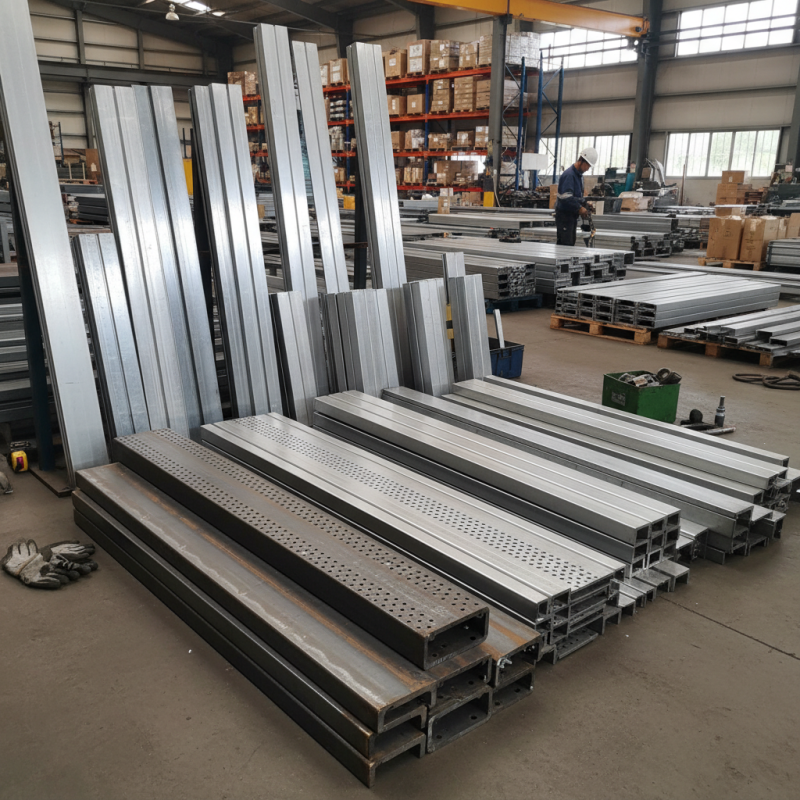
Types of Metal Planks: An Overview of Materials and Uses
When selecting metal planks for your business, understanding the types available is crucial. Common materials include aluminum, steel, and stainless steel. Each of these materials presents unique qualities that cater to specific industrial needs. Aluminum planks are lightweight and resistant to corrosion, making them ideal for construction sites. On the other hand, steel planks offer durability and strength for heavy-duty applications.
Stainless steel planks are renowned for their resistance to rust and hygiene, which is vital in food processing facilities. According to industry reports, industries are increasingly choosing metal due to its recyclability, with about 75% of metal products recycled annually worldwide. This trend signifies a growing awareness of sustainability.
Tip: When choosing metal planks, consider the environment in which they will be used. Will they be exposed to moisture? Corrosive substances? Even slight variations in material selection can lead to significant long-term impacts. Additionally, undergo a cost-benefit analysis to assess potential maintenance and replacement needs over time. Prioritize not just the initial costs but also the long-term durability and safety of your investments.
Top Metal Plank Options for Your Business Needs
| Type of Metal Plank |
Material |
Uses |
Advantages |
| Aluminum Planks |
Aluminum Alloy |
Scaffolding, walkways |
Lightweight, corrosion-resistant |
| Steel Planks |
Carbon Steel |
Industrial applications |
High strength, durability |
| Stainless Steel Planks |
Stainless Steel |
Food processing, marine environments |
Corrosion-resistant, hygienic |
| Fiber Reinforced Plastic (FRP) Planks |
Plastic Composite |
Chemical processing, wastewater treatment |
Lightweight, chemical resistance |
| Galvanized Steel Planks |
Galvanized Steel |
Construction, industrial flooring |
Rust protection, strong support |
Factors to Consider When Selecting Metal Planks for Your Business
When selecting metal planks for your business, several factors come into play. Durability is paramount. Different metals provide varying levels of strength and resistance to corrosion. For instance, aluminum is lightweight and resistant but may not handle heavy loads as well as steel. Choose the right material based on your operational needs.
Weight and load capacity are also crucial considerations. Lighter planks may be easier to handle, but they must support the necessary weight. Assess the intended use carefully. Will they support equipment, or are they simply for pedestrian traffic? Understanding these needs will guide your decision-making process.
Surface treatment is often overlooked but highly important. Textured surfaces can improve grip, reducing the risk of slips. In areas prone to moisture or chemicals, consider coatings to enhance longevity. Regular maintenance checks will ensure that your planks remain safe and effective. Reflect on your past experiences with materials to guide future selections.
Top Metal Plank Options for Your Business Needs
This bar chart illustrates the comparative strength properties of different metal planks that businesses can consider. The data reflects properties such as tensile strength, weight, and cost per square foot.
Comparing Strength and Durability Among Different Metal Plank Options
When considering metal planks for various business needs, strength and durability are crucial factors. Different materials, such as aluminum and steel, offer distinct advantages. According to industry reports, aluminum planks weight about 35% less than comparable steel options, yet can still support similar loads. Meanwhile, steel planks show superior resistance to extreme weather conditions. Understanding these variations can lead to better decisions.
Choosing the right metal plank can improve productivity and safety. For instance, using aluminum planks can enhance mobility and reduce fatigue for workers who are on their feet all day. However, they may not perform as well under heavy impact. Steel is often favored in high-stress applications, but its heavier weight may pose logistical challenges. It's essential to assess your specific requirements before making an investment.
Tip: Regular maintenance can extend the lifespan of your metal planks. Inspect regularly for signs of corrosion or wear. This can prevent costly replacements.
Tip: Always consider ergonomics when selecting planks. A lightweight option can be beneficial, but ensure it meets strength standards. Balancing weight and durability can enhance your operational efficiency.
Cost Analysis: Budgeting for Metal Planks in Your Business
When budgeting for metal planks in your business, it’s essential to consider not just upfront costs but also long-term value. Industry data suggests that metal planks, when properly maintained, can offer a lifespan of 25 years or more. This durability translates into cost savings over time. However, purchasing initially involves various prices that range widely — from $2 to $6 per square foot, depending on thickness and material type.
For effective budgeting, companies should account for hidden costs. Installation expenses, transport fees, and maintenance are often overlooked. A recent report indicated that improper installation could lead to additional costs, often exceeding 15% of the initial expenditure. Planning for these elements upfront will ensure you avoid unexpected financial strain later.
Tip: Assess your specific needs. Analyze how frequently the planks will be used and the conditions they will face. For instance, environments prone to corrosion might require higher-grade materials. Always consult with manufacturers or industry experts to refine your choices and enhance reliability.
Additionally, smaller businesses might struggle with cash flow. They could consider financing options or staged purchases to spread costs. Investing in quality can yield a better return, reducing long-term operational interruptions. Frequent reassessments of costs and needs will pave the way for smarter financial decisions.
Maintenance and Safety Guidelines for Metal Plank Usage
When utilizing metal planks in your business, maintenance and safety are paramount. Regular inspections are essential. Ensure that your planks do not have rust, dents, or any other form of damage. Corrosion can weaken the material. Always keep an eye out for loose fasteners, as they can cause unexpected failures. Weekly checks are advisable for high-use areas.
In addition to inspections, proper storage of metal planks is crucial. Store them in a dry environment to prevent moisture accumulation. This can prolong their lifespan significantly. When using metal planks, always adhere to weight limits. Overloading can lead to dangerous accidents.
Tips: Ensure all workers are trained in plank usage. Accidents often arise from improper handling. Tie down planks securely during transportation to avoid shifting. Consider using safety gear such as helmets and harnesses when working at height. Metal planks can be slippery, especially in wet conditions. It’s important to create a culture of safety where employees feel encouraged to speak up about any concerns.
FAQS
: Aluminum and steel are the two common materials. Aluminum is lightweight, while steel offers more weather resistance.
Aluminum planks weigh about 35% less than steel planks, making them easier to handle.
Consider strength, weight, usage frequency, and environmental conditions for optimal choices.
Regular maintenance extends the lifespan, preventing costly replacements. Inspect for corrosion and wear regularly.
Hidden costs include installation, transport, and maintenance expenses. These can significantly impact your total budget.
Train workers in proper plank usage. Regular inspections and secure storage enhance safety and lower accident risks.
Weekly inspections are advisable for high-use areas to check for rust, dents, or loose fasteners.
If planks are damaged, replace or repair them immediately to ensure safety and reliability.
Smaller businesses can explore financing options or staggered purchases to better manage cash flow.
Always adhere to weight limits. Overloading metal planks can lead to serious accidents and injuries.
Conclusion
In the article "Top Metal Plank Options for Your Business Needs," various aspects of metal planks are explored to aid businesses in making informed decisions. The overview of materials and uses highlights the different types of metal planks available, emphasizing their applications across various industries. When selecting metal planks, factors such as weight capacity, environmental conditions, and ease of installation are crucial to consider, ensuring they meet specific business needs.
Furthermore, the article compares the strength and durability of different metal plank options, providing insights into which materials may offer the best performance for particular applications. A cost analysis is presented to help businesses budget effectively for their metal planks, taking into account initial investment and long-term value. Finally, essential maintenance and safety guidelines are discussed to ensure safe usage and longevity of the metal planks in a business setting.

 AJ Metal