In the world of construction, "Quick Stage Scaffold" systems are a game-changer. Experts like John Smith, a leading authority in scaffold technology, emphasize, "Adopting quick stage scaffolding can enhance safety and efficiency on-site." This innovative approach offers global buyers versatile solutions for various projects.
Quick Stage Scaffold solutions are designed for speed and adaptability. They are easy to assemble and disassemble, making them ideal for fast-paced construction environments. With increasing demands for safety and workflow efficiency, scaffolding must evolve. Many companies still struggle with traditional methods, which can lead to delays and increased costs. Better options are available, making it essential to keep pace with industry standards.
As we explore the top 10 Quick Stage Scaffold solutions, understanding the nuances is crucial. Not every system fits all needs, and some buyers may overlook vital features. A cautious approach ensures the right choice is made. With careful consideration, buyers can enhance project outcomes using the right scaffolding solutions.
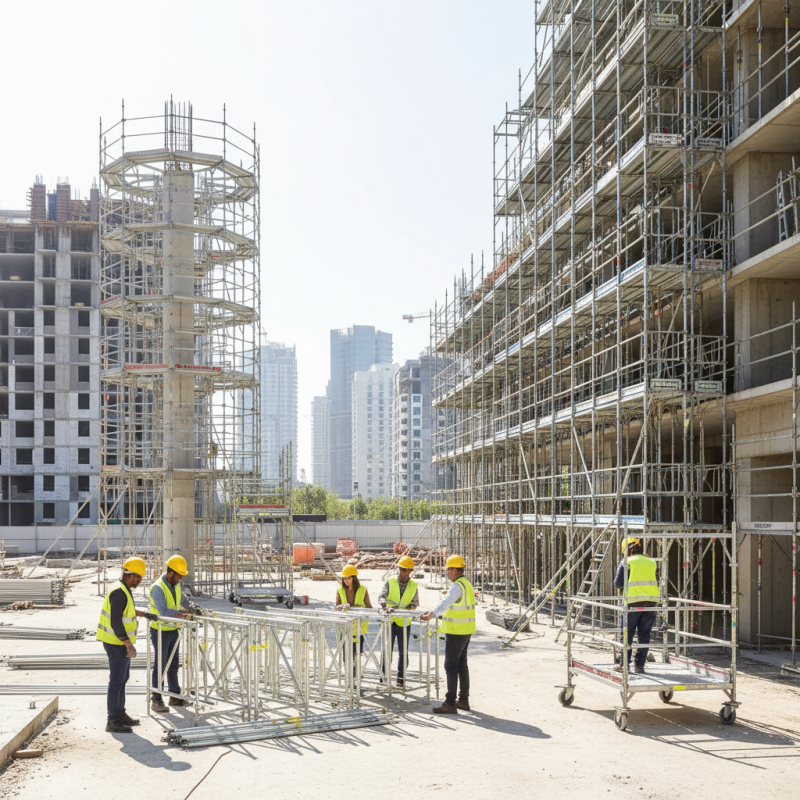
Overview of Quick Stage Scaffold Solutions for Global Markets
Quick stage scaffolding solutions are essential for construction and maintenance in various industries. They provide a flexible framework for workers to access elevated areas securely and efficiently. The global scaffolding market is projected to grow at a CAGR of 6.5% from 2021 to 2028, reaching a value of approximately USD 70 billion by the end of the forecast. This growth highlights the increasing demand for effective scaffolding systems worldwide.
One of the key advantages of quick stage scaffolding is its ease of assembly. Workers can set it up with minimal training, allowing for swift project progress. Reports indicate that projects utilizing quick stage scaffolding can reduce time spent on installation by up to 35%. This efficiency is critical in meeting tight deadlines. However, safety concerns sometimes emerge. Reliable data suggests that accidents related to scaffolding account for around 30% of construction site injuries. Continuous training and robust safety protocols are necessary to mitigate these risks.
Awareness of regional differences in scaffolding standards can also impact global market performance. For instance, the regulations in Europe may differ significantly from those in Asia or North America. Ensuring compliance with local standards adds complexity and may require additional resources. As global buyers navigate these challenges, understanding various quick stage scaffold options becomes vital for successful procurement.
Key Features to Consider When Selecting Quick Stage Scaffolds
When selecting quick stage scaffolds, understanding key features is essential. Safety should be a priority. According to the Global Scaffolding Market report, the safety standards are critical for ensuring a secure working environment. Scaffolds must comply with relevant regulations to reduce accidents. The materials used, typically aluminum or steel, also impact the weight and durability of the structure.
Ease of assembly is another crucial aspect. Quick stage scaffolds should allow for rapid setup and takedown. This flexibility can save valuable time on job sites. The design should permit adjustments for various heights, catering to different project needs. Performance under stress is important. Load-bearing capacities should meet project demands; this often requires reference to industry guidelines.
**Tips:**
Always check the manufacturer's compliance certificates before purchase. Investing in scaffolds with a proven track record can prevent future issues. Regular maintenance and inspections are vital for durability and safety.
In your decision-making, consider the long-term value. Short-term savings on cheaper scaffolds may lead to higher future costs due to accidents or frequent replacements. Make informed choices to ensure that both workers and projects are safeguarded.
Top 10 Quick Stage Scaffold Solutions: A Comprehensive Review
When choosing scaffolding, buyers need reliable options. Quick stage scaffold solutions stand out for their efficiency and ease of use. They minimize assembly time while maximizing stability. This type of scaffold is versatile, adapting to various construction needs. It’s essential to understand their weight capacity and load limits. This ensures safety for workers and equipment.
Experience shows that not all scaffolding designs perform equally. Some may lack the necessary durability for heavy-duty tasks. Others might not be as user-friendly for quick assembly. It's crucial to research materials and construction methods. This helps avoid mishaps and project delays. Users often report challenges with stability during windy conditions. Factors like weather and site location can impact performance.
Investing time in proper training for scaffold installation is vital. A well-trained team can mitigate risks effectively. Furthermore, always ensure the scaffolding is regularly inspected and maintained. Inconsistent checks can compromise safety and performance. Buyers should seek scaffolding that has a proven track record in real-world applications. It's a significant step toward ensuring a safe working environment.
Top 10 Quick Stage Scaffold Solutions for Global Buyers
| Rank |
Product Type |
Max Load Capacity (kg) |
Length (m) |
Width (m) |
Height (m) |
Material |
Key Features |
| 1 |
Aluminum Scaffold |
250 |
2.5 |
1.2 |
1.8 |
Aluminum Alloy |
Lightweight, Corrosion Resistant |
| 2 |
Steel Scaffold |
500 |
3.0 |
1.5 |
2.0 |
Mild Steel |
Durable, High Load Capacity |
| 3 |
Folding Scaffold |
200 |
1.8 |
0.8 |
1.5 |
Aluminum |
Compact, Easy to Store |
| 4 |
Modular Scaffold |
300 |
2.0 |
1.0 |
2.5 |
Steel |
Customizable, Flexible Design |
| 5 |
Cantilever Scaffold |
350 |
3.5 |
1.5 |
2.0 |
Aluminum |
Extended Reach, Versatile |
| 6 |
Suspended Scaffold |
400 |
2.0 |
0.8 |
2.5 |
Steel |
Height Adjustable, Secure |
| 7 |
Rolling Scaffold |
250 |
2.5 |
1.0 |
1.5 |
Aluminum |
Mobility, Quick Setup |
| 8 |
Lightweight Scaffold |
180 |
1.6 |
0.7 |
1.3 |
Aluminum |
Portable, User-Friendly |
| 9 |
Scaffold Planks |
120 |
2.4 |
0.3 |
0.2 |
Wood |
Durable, High Friction |
| 10 |
Bamboo Scaffold |
200 |
3.0 |
1.0 |
2.5 |
Bamboo |
Eco-Friendly, Traditional |
Comparative Analysis of Cost and Durability in Scaffold Options
When selecting scaffolding solutions, cost and durability remain crucial factors. High-quality scaffolding materials often come at a premium, but they offer enhanced durability. For example, aluminum scaffolds are lightweight and resistant to rust, while steel scaffolds provide significant strength. Despite the higher initial investment, aluminum options can save costs over time due to lower maintenance needs.
On the other hand, budget-friendly options may not endure harsh conditions. They can wear out quickly, leading to frequent replacements. Buyers must weigh these risks against upfront costs. While it’s tempting to opt for cheaper solutions, the long-term implications can be significant. Investing in durable materials often results in safer and more reliable scaffolding setups.
Understanding local conditions also influences choices. Scaffolding exposed to corrosive elements may require more robust materials. Factors such as climate and intended use impact durability. Buyers should seek expert advice to make informed decisions. Reflecting on these aspects can prevent costly mistakes in the future. Balancing cost and durability is not straightforward, but it's essential for effective project management.
Top 10 Quick Stage Scaffold Solutions: Cost and Durability Comparison
Global Trends in Scaffold Solutions: Insights for Buyers
The global scaffold solutions market is evolving rapidly. Buyers are increasingly focusing on quick and effective staging options. This trend is driven by the demand for faster project completion and enhanced safety standards. Countries are adopting various scaffold types that improve both functionality and accessibility. Prefabrication techniques are gaining momentum, allowing for faster assembly and disassembly of scaffolding systems.
Market insights reveal a push towards modular designs. They offer versatility for various construction needs. Many scaffold manufacturers are innovating with lightweight materials. These materials maintain strength while being easier to transport and erect. However, not every innovation is flawless. Some designs may compromise stability for portability, raising safety concerns. Buyers need to critically assess the balance between innovation and safety to make informed decisions.
Sustainability is shaping buyer preferences. Eco-friendly scaffolding solutions are increasingly in demand. Buyers are looking for options that minimize environmental impact. However, many existing products still use traditional materials that may not align with these values. This mismatch urges buyers to be diligent in their research to identify genuinely sustainable options. Exploring these trends can help buyers navigate the complexities of selecting the right scaffold solutions for their projects.
Conclusion
The article "Top 10 Quick Stage Scaffold Solutions for Global Buyers" provides a comprehensive overview of quick stage scaffold options tailored for diverse markets worldwide. It emphasizes the importance of understanding key features such as load capacity, ease of assembly, and safety standards when selecting quick stage scaffolds. A detailed analysis of the top ten solutions highlights their strengths and weaknesses, facilitating informed decision-making for buyers.
Furthermore, the article ventures into a comparative analysis of the cost and durability among various scaffold options, offering insights into how these factors influence purchasing decisions. It also discusses emerging global trends in scaffold solutions, equipping buyers with valuable insights to navigate the evolving landscape of construction needs effectively. Overall, the guide serves as a vital resource for those looking to acquire efficient, safe, and cost-effective quick stage scaffold systems.

 AJ Metal