In the construction industry, safety is paramount. A critical element in achieving this is the choice of scaffolding materials. Among these, the Aluminum Scaffold Plank stands out due to its lightweight and durable nature. According to a report by the Occupational Safety and Health Administration (OSHA), falls are a leading cause of construction-related injuries. Using high-quality scaffold planks dramatically reduces this risk.
The Aluminum Scaffold Plank offers significant benefits over traditional wooden planks. It features enhanced load-bearing capacity, which peaks at approximately 1,500 pounds per plank. Data from the Construction Industry Institute suggests that metal scaffolding can reduce onsite accidents by up to 30%. However, not all aluminum planks are created equal. Some may fail to meet rigorous safety standards, leading to potential hazards.
It is crucial for contractors to choose the right Aluminum Scaffold Plank that balances safety and efficiency. Evaluating factors such as manufacturer reputation and material integrity is essential. In this way, construction professionals can ensure that the equipment not only complies with safety regulations but also supports the project’s needs effectively. Reflecting on these choices can direct future improvements in construction safety standards.
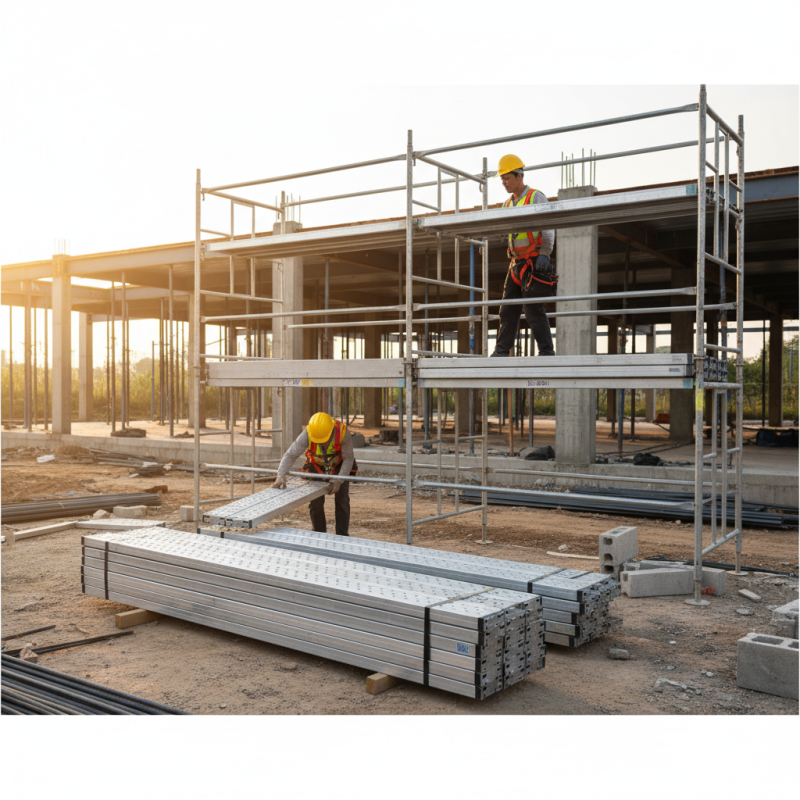
Best Aluminum Scaffold Plank: Definition and Key Characteristics
Aluminum scaffold planks are essential for safe and efficient construction projects. They serve as the platform where workers stand and move. Understanding their definition and key characteristics can improve safety and productivity on the job site. A reliable scaffold plank needs to be lightweight yet durable. Aluminum meets these demands well, providing strength without a heavy load.
Key characteristics of aluminum scaffold planks include resistance to rust and corrosion. This is crucial for long-term use and ensures structural integrity. Many construction projects involve exposure to various weather conditions. The right plank withstands these challenges. Moreover, the width and thickness contribute to stability. Wide planks enhance worker comfort, while adequate thickness ensures they can support the required weight.
Despite their advantages, some may overlook the importance of regular inspection. Even aluminum can develop issues over time, such as dents or wear. Addressing these concerns early can prevent accidents and maintain safety standards. Choosing the best aluminum scaffold plank involves careful consideration of these factors, enhancing both performance and safety. Balancing efficiency and caution is key to successful construction.
Benefits of Aluminum Scaffold Planks in Construction Industry
When considering scaffold planks for construction, aluminum stands out for its numerous advantages. According to the U.S. Occupational Safety and Health Administration (OSHA), aluminum scaffold planks are lightweight yet remarkably strong. They can support up to 1,500 pounds when properly secured. This ensures workers can move confidently while working at heights, minimizing accidents.
Durability is another key benefit of aluminum planks. Unlike wood, which can warp or rot, aluminum is resistant to weather and corrosion. A report from the American National Standards Institute (ANSI) highlights that aluminum has a much longer lifespan. Users can often rely on these planks for years without needing costly replacements. This aspect reduces the overall environmental impact of construction projects.
Despite their advantages, aluminum planks also present challenges. They can be more expensive upfront than traditional wood options. For smaller projects, this might seem like a financial hurdle. Workers must also be aware that aluminum can become slippery when wet, requiring additional safety measures. Continued training and awareness can help mitigate these risks, ensuring a safer working environment.
Benefits of Using Aluminum Scaffold Planks in Construction
Safety Standards and Certifications for Scaffold Plank Usage
When engaging in construction work, safety is paramount. Scaffold planks, especially aluminum ones, must meet stringent safety standards. The
Occupational Safety and Health Administration (OSHA) outlines these guidelines, ensuring planks can withstand specific weight loads. Many planks are tested for
slip resistance, which is vital on job sites.
Inspection is key for maintaining safety. A thorough assessment should be conducted before each use. Look for signs of wear, corrosion, or damage. It's essential to understand that even
small defects can compromise safety. A well-maintained plank can prevent accidents, but negligence can lead to
severe consequences.
Certifications indicate that a scaffold plank meets industry standards. Look for labels from recognized organizations. These symbols suggest that the plank has
been rigorously tested. However, not all products are created equal. It's important to do due diligence before making a choice. Relying on trusted sources will ensure a
safer working environment. Always prioritize safety over cost when selecting materials.
Comparative Analysis of Aluminum vs. Wood and Fiberglass Planks
When selecting scaffolding materials, aluminum, wood, and fiberglass each have unique advantages and limitations. A comparative analysis reveals that aluminum planks are lightweight, easy to transport, and resistant to corrosion. According to industry reports, aluminum scaffolding can reduce worker fatigue by up to 20%, promoting safer work conditions. In contrast, wood planks, while sturdy, can become slippery when wet and have a limited lifespan. Fiberglass offers electrical insulation, making it suitable for certain environments, yet it typically weighs more and can be more expensive.
Aluminum planks often feature a higher load capacity, accommodating more weight than wood. This feature is crucial on job sites where heavy materials are frequently used. However, aluminum's durability can lead to unintentional neglect of inspection procedures, as users may assume they are invincible. Regular checks are imperative to prevent accidents. When choosing planks, consider the type of work environment and the potential hazards present.
Tips: Always ensure that planks are rated for your specific load requirements. When switching to aluminum from wood, assess the training needs of your crew to minimize risks. Remember, safety in construction goes beyond materials; it relies on proper handling and maintenance practices.
Market Trends: Leading Manufacturers and Product Innovations in 2023
In 2023, the aluminum scaffold plank market reflects significant growth. Innovations and safety are leading trends. Reports indicate a 15% increase in demand for lightweight materials. Safety features have become a priority in design, highlighting the industry shift toward more reliable products. The use of advanced manufacturing technologies is making scaffold planks not only safer but also more durable.
Tip: Regularly inspect scaffolding equipment for any signs of wear. Proper maintenance extends the life of your planks.
Leading manufacturers are focusing on eco-friendly materials. Industry professionals emphasize the importance of sustainability. According to recent studies, nearly 65% of construction companies report a preference for sustainable products. This shift enhances project efficiency and public image, making it appealing for construction firms.
Tip: Choose planks with a certified load capacity. It ensures safety for workers and compliance with industry regulations.
Quality remains vital, but it must be balanced with cost-effectiveness. Some companies prioritize budget, risking worker safety. Employees deserve reliable equipment to prevent accidents. As the market evolves, the best choices combine affordability, safety, and environmental responsibility.
Best Aluminum Scaffold Plank for Safe and Efficient Construction
| Dimension (Length x Width x Thickness) |
Weight Capacity |
Material Type |
Surface Treatment |
Innovative Features |
| 10 ft x 12 in x 1 in |
300 lbs |
Aluminum Alloy |
Anodized |
Anti-slip surface |
| 12 ft x 12 in x 1.5 in |
500 lbs |
High Strength Aluminum |
Powder Coated |
Lightweight design |
| 8 ft x 14 in x 1.25 in |
400 lbs |
Aircraft Grade Aluminum |
Brushed Finish |
Water Resistant |
| 16 ft x 12 in x 1 in |
600 lbs |
Recycled Aluminum |
Galvanized |
Eco-friendly |
FAQS
: Scaffold planks must meet safety standards set by regulations. These include weight load resistance and slip resistance tests.
Scaffold planks should be inspected before each use. Look for any signs of wear, corrosion, or damage.
Neglecting maintenance can lead to accidents. Even small defects can greatly compromise safety.
Certifications indicate that a plank has passed rigorous safety tests. Trustworthy labels can enhance the safe use of planks.
There is a growing demand for lightweight and eco-friendly materials in the scaffold plank market. Safety features are also prioritized.
A preference for sustainable products is on the rise. Companies are focusing on being eco-friendly to improve their public image.
Cutting costs may result in compromising worker safety. Reliable equipment is essential to prevent workplace accidents.
Quality, safety certification, and cost-effectiveness must be balanced. The best choice considers worker safety and environmental impact.
Regular inspections and proper maintenance are key. Check for any signs of wear regularly.
Advanced manufacturing technologies make planks safer and more durable. Innovations enhance both protection and longevity.
Conclusion
The article "Best Aluminum Scaffold Plank for Safe and Efficient Construction?" explores the essential aspects of aluminum scaffold planks, highlighting their definition and key characteristics. It delves into the numerous benefits that aluminum scaffold planks offer to the construction industry, including their durability, lightweight nature, and resistance to corrosion. The discussion extends to safety standards and certifications required for scaffold plank usage, ensuring compliance and protection for workers on-site.
Furthermore, a comparative analysis between aluminum, wood, and fiberglass planks reveals the advantages of aluminum in terms of performance and safety. The article also examines current market trends, showcasing leading manufacturers and innovative product developments in 2023. Overall, it underscores the significance of the aluminum scaffold plank in enhancing the safety and efficiency of construction projects.

 AJ Metal